Northern Spain: The ,,Best of the World"

Wild majesty. Culinary excellence. Atlantic landscapes.

Named one of National Geographic’s “Best of the World” destinations for 2026, Northern Spain is a masterclass in contrasts. It pairs the world’s highest density of Michelin-starred excellence with raw, untamed landscapes. Hike the Picos de Europa by morning, savor seafood by the Atlantic at night, and explore emerald landscapes from Bilbao’s avant-garde streets to Galicia’s misty cliffs. Discover Europe’s most authentic coastal escape.

A Visual Journey

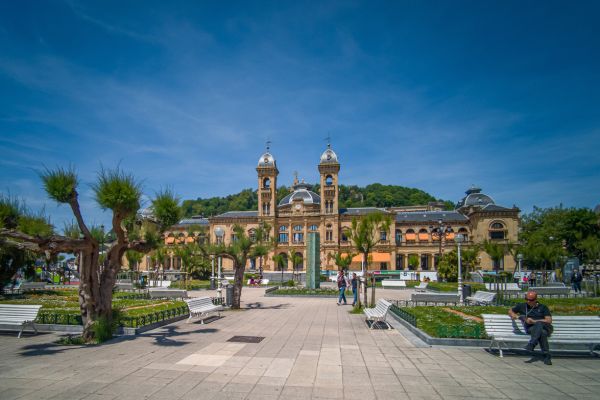
Cities That Inspire

One of the highest concentrations of Michelin stars per square meter  in the world.
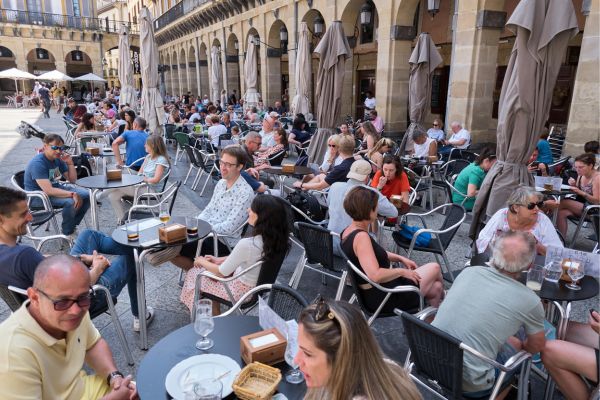
Authenticity: Private Basque cooking clubs are at the heart of San Sebastián’s social life. Members gather to cook, eat, and preserve ancient recipes. Access is typically by invitation only.
Must-See / Must-Do:
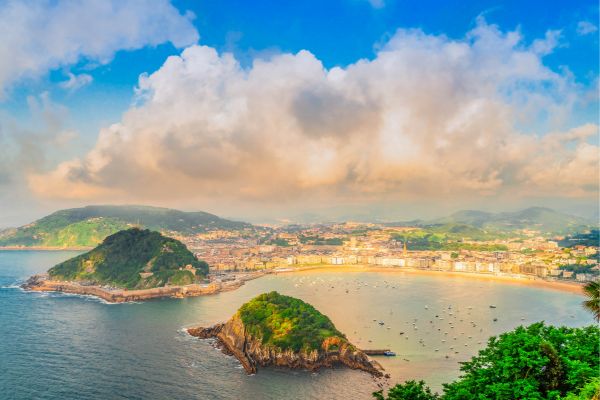
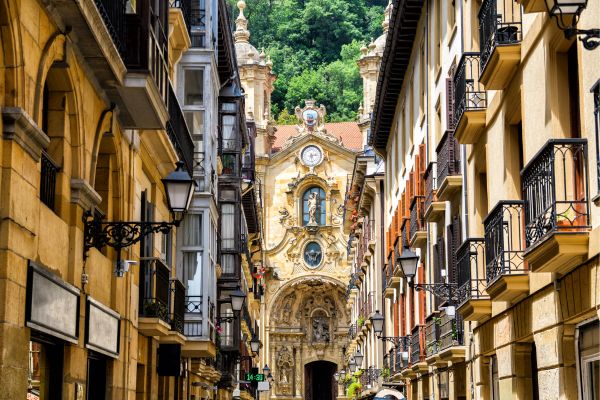
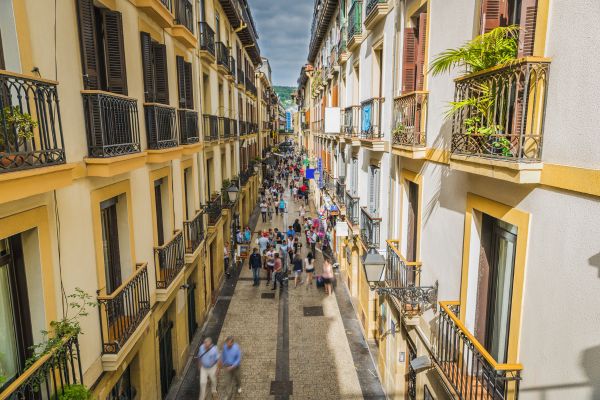
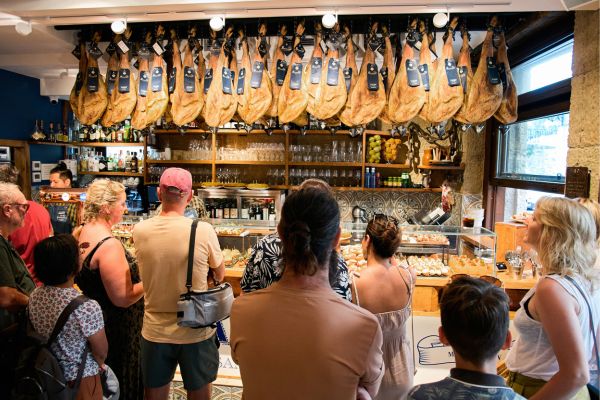
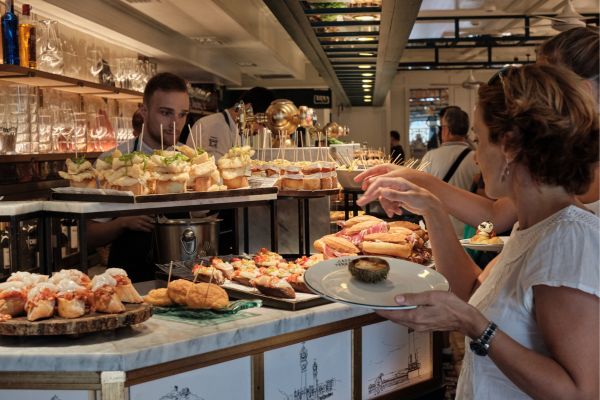
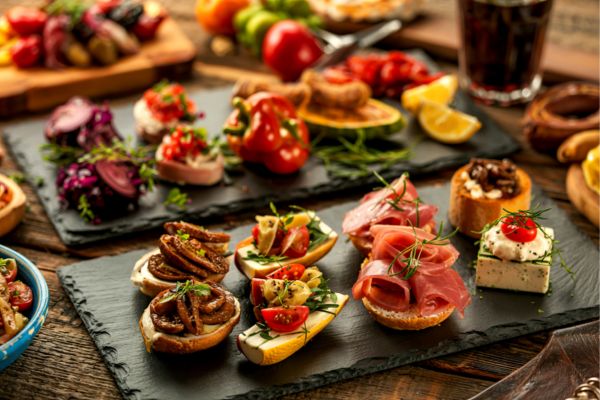
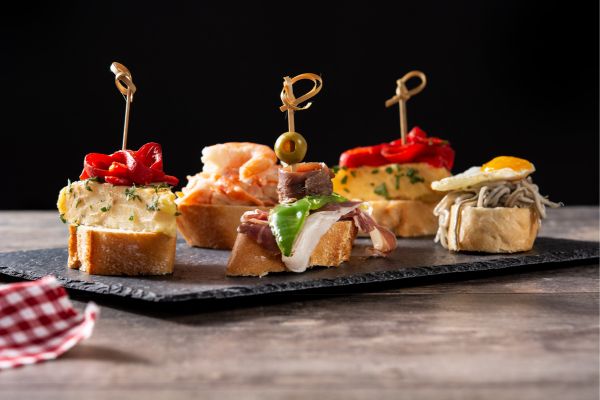
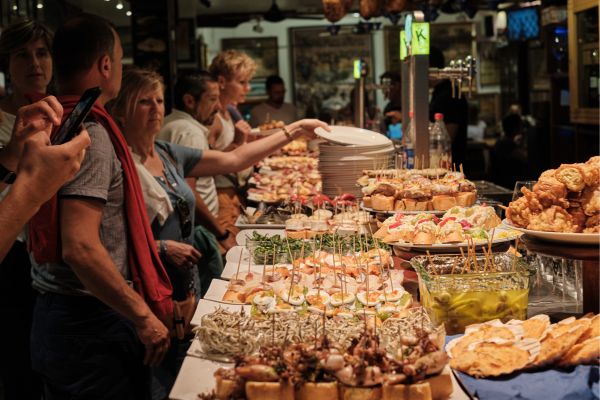
- Pintxos Hopping (Parte Vieja): Explore the Old Town’s dense network of bars, tasting gourmet pintxos paired with local Txakoli wine or cider.
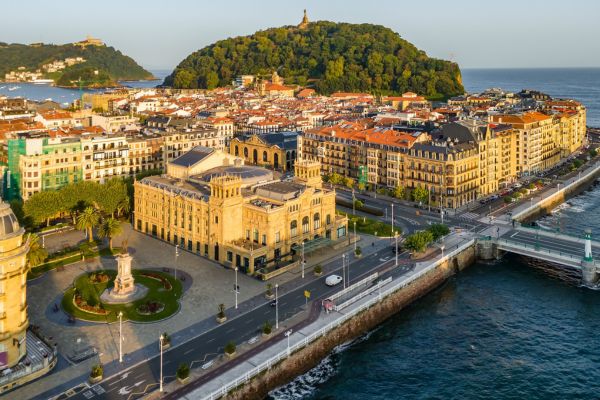
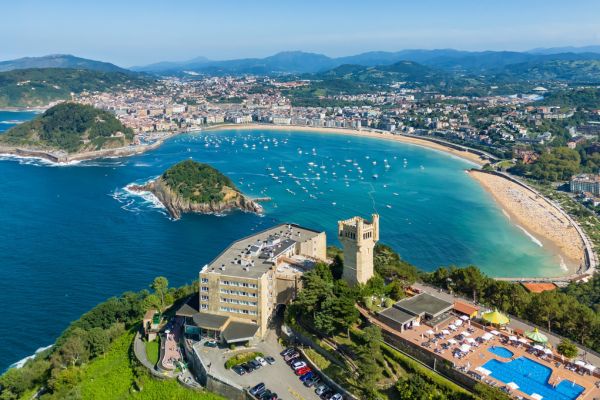
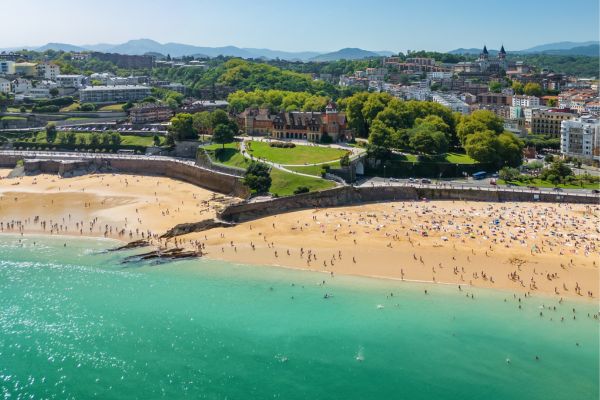
- La Concha Beach: One of Europe’s top urban beaches.
- Monte Urgull: Climb for panoramic city and bay views.

Pro Tip: Visit October 5–7, 2026, for San Sebastián Gastronomika, celebrating 50 years of New Basque Cuisine.

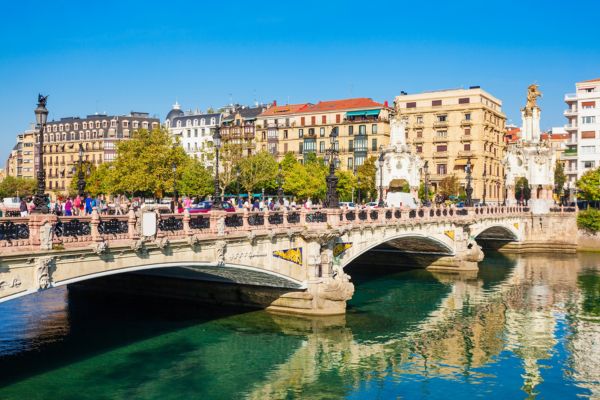
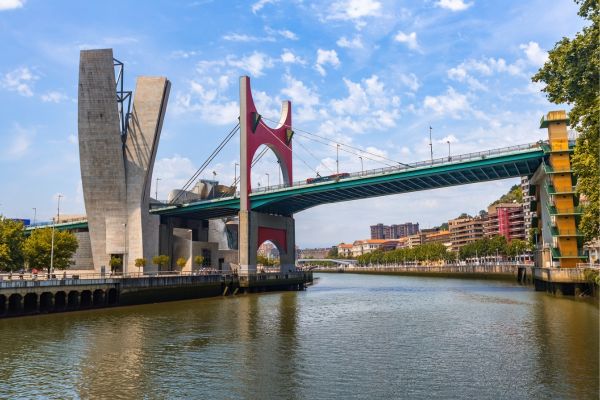
Home to the Vizcaya Bridge, a UNESCO site, and the birthplace of the “Guggenheim Effect,” turning the city into an world- class artistic hub.

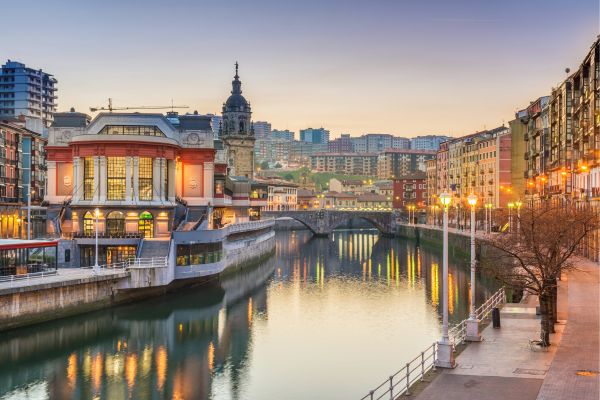
Authenticity: Bilbao’s heart is the Casco Viejo (Seven Streets), where Euskera, the oldest living European language is still spoken.
Must-See / Must-Do
Museum Hop: Guggenheim Museum Bilbao and its iconic sculptures.
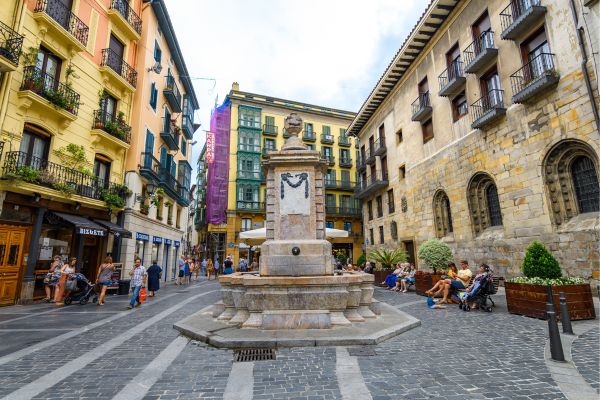
Explore Casco Viejo: Santiago Cathedral, La Ribera Market, and hidden gems along the seven streets.
Best Views: Ride the Artxanda Funicular for valley panoramas.
Walk the Estuary: Stroll the Paseo de la Memoria to see Bilbao’s industrial past meet modern art and architecture.

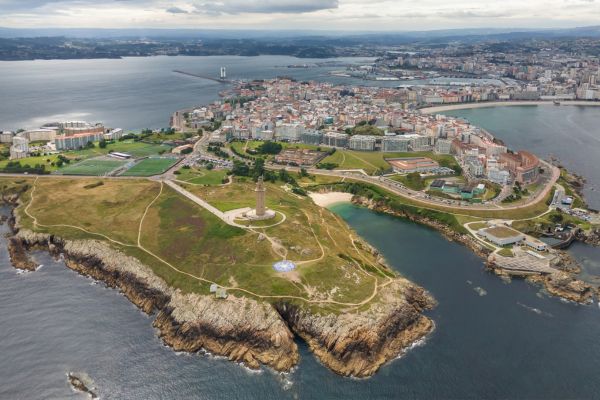
Home to the Tower of Hercules, the world’s oldest working Roman lighthouse (late 1st century AD), guiding sailors for nearly 2,000 years.
Authenticity: Known as the “City of Glass” for its glittering galerías - glass-enclosed balconies designed to shield residents from Atlantic rain while maximizing sunlight.
Must-See / Must-Do:
Climb the Tower: 234 steps lead to 360° views of the Atlantic and the city’s rugged peninsula.
Plaza de María Pita: Central square honoring the local heroine who defended the city against the 1589 English invasion.
Stroll the Paseo Marítimo: One of Europe’s longest seafront promenades, 13 km.
Sunset at Monte de San Pedro: Take the glass elevator up this former fort for panoramic views, historic cannons, and a charming hedge maze.

Home to Universidad Laboral, Spain’s largest building (270,000 m²), originally built for miner orphans.
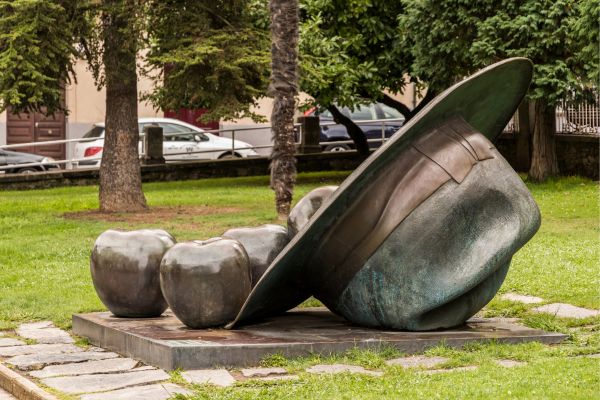
Authenticity: The heart of Gijón is Cimadevilla, the old fishermen’s quarter and Spain’s cider headquarters, where sidrerías fill the streets with the sound of cider hitting glasses and locals gather around the “Cider Tree” monument of 3,200 bottles.
Must-See / Must-Do:
Elogio del Horizonte: Climb Santa Catalina Hill to stand inside Eduardo Chillida’s concrete sculpture, crafted to “hear” the ocean.
Roman Baths of Campo Valdés: Explore the 1st-century underground thermal baths.
San Lorenzo Beach: Walk the 3 km curved promenade, a daily ritual for locals.
Laboral Ciudad de la Cultura: Tour the massive complex to admire its grand courtyard and theater.

Capital of the Kingdom of Asturias, the only Spanish region never conquered by the Moors; the heir to the throne holds the title Prince/Princess of Asturias.
Authenticity: Home to an unparalleled collection of 9th-century Pre-Romanesque churches, like Santa María del Naranco, whose design echoes Viking and Celtic temples rather than Gothic Spain.
Must-See / Must-Do:
Calle Gascona: The “Cider Boulevard,” lined with sidrerías.
Catedral de San Salvador: Visit the Holy Chamber, UNESCO-listed and home to the Sudarium of Oviedo.
Statue Spotting: Discover 100+ public statues, from Woody Allen to Mafalda, scattered across the city.
Monte Naranco: Hike or drive up to see Pre-Romanesque architecture with stunning views.

Official summer capital of Spanish royalty; 
Authenticity: After the Great Fire of 1941 destroyed most of the medieval center, Santander’s charm now lies in 20th-century boulevards, modernist architecture, and the manicured beaches of El Sardinero.
Must-See / Must-Do:
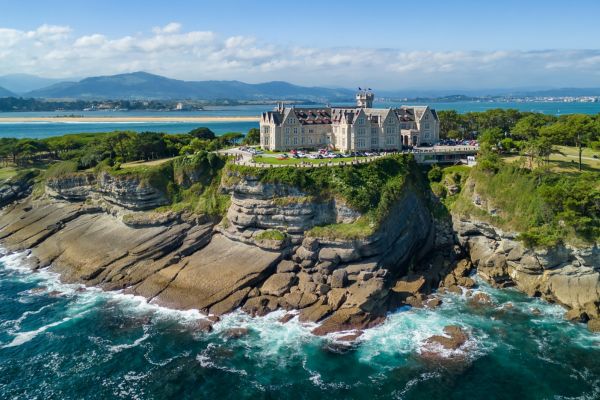
Palacio de la Magdalena: Royal palace, the peninsula with a mini-zoo.
Centro Botín: Experience Renzo Piano’s futuristic art center “hovering” over the bay.
Sardinero Beaches: Stroll the promenade connecting the two main beaches, pausing at the historic Grand Casino.
Bay Boat Trip: Take the Pedreñera ferry to Somo for panoramic views of the city skyline.

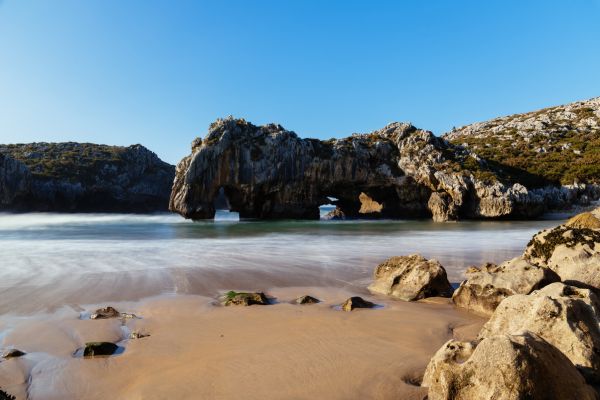
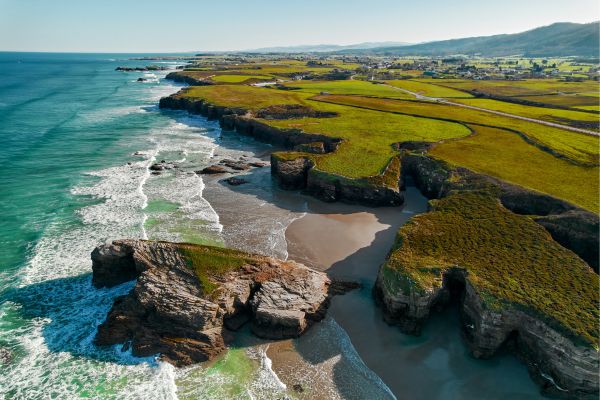
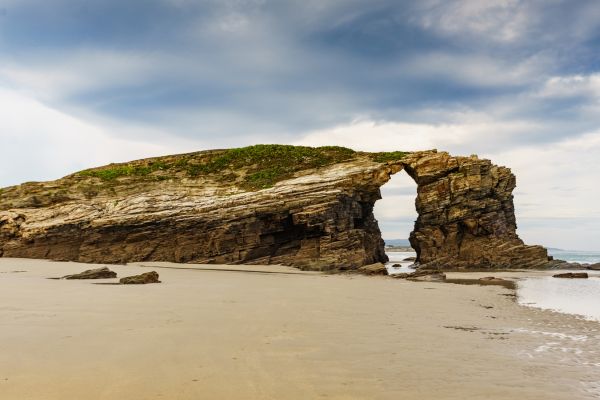
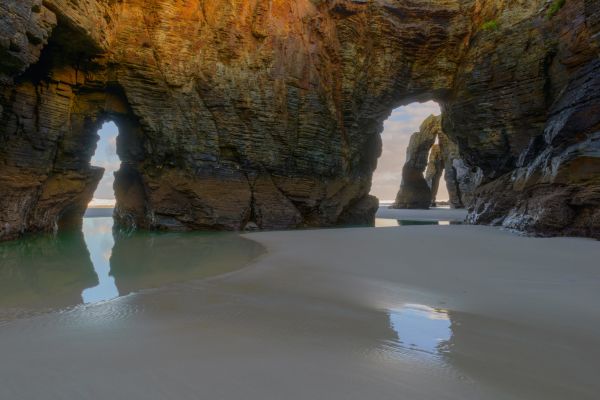
Ribadeo is the official gateway to Playa de las Catedrales, one of Europe’s most spectacular natural beaches. Its colossal stone arches - some over 30 meters high- were sculpted entirely by wind and Atlantic waves, forming a natural Gothic cathedral of rock.
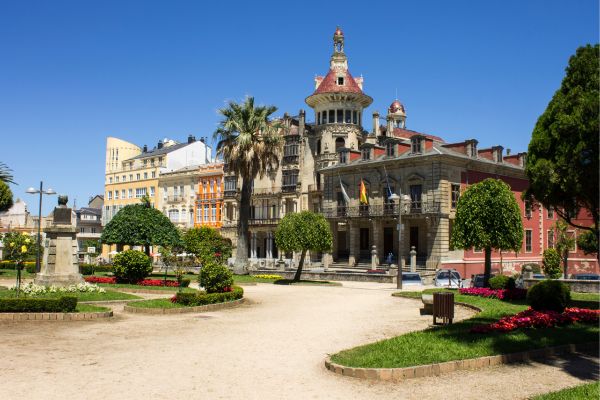
Authenticity: The town’s character is shaped by its Indiano heritage. Returning emigrants from the Americas built lavish mansions as symbols of success, the most iconic being the Torre de los Moreno (1915), a striking modernist palace of concrete and glass that still dominates the main square.
Must-See / Must-Do:
Playa de las Catedrales: Reserve the mandatory free entry permit in advance during peak seasons (Easter & summer) and plan your visit at low tide for full access beneath the arches.
Barrio de San Roque: Stroll through the neighborhood with the highest concentration of colorful Indiano houses and palm-filled gardens.
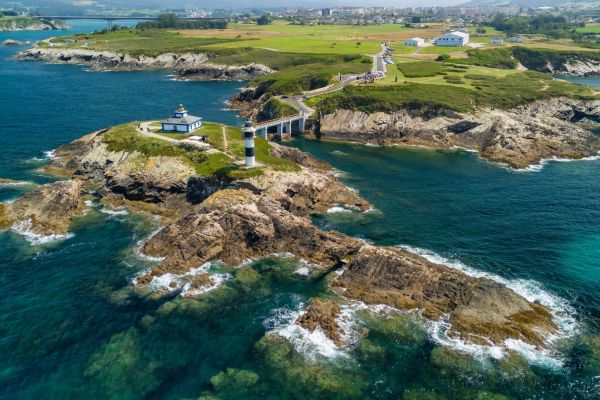
Illa Pancha Lighthouse: Walk the coastal path to this photogenic lighthouse guarding the mouth of the Eo Estuary.
Ascensor Panorámico: Take the panoramic elevator from Porcillán Port to the upper town for sweeping views over the Eo Estuary, the natural border between Galicia and Asturias.

N. Spain (2)

Charming Villages of Green Spain

Basque Country (Euskadi)

  • The Cultural Favorite: Hondarribia
    A perfectly preserved medieval town with a hilltop Old Town and Charles V castle (Parador), plus the colorful Marina district. Don’t miss the pintxos along Calle San Pedro.
  • The Foodie’s Choice: Getaria
    Seafood heaven on the “Mouse of Getaria” peninsula. Whole turbot on charcoal grills, panoramic coastal views and vineyards producing famous Txakoli wine.
  • The Visual Spectacle: Elantxobe
    A cliffside village where houses seem stacked on top of each other.
  • The Nature/Surf Spot: Mundaka
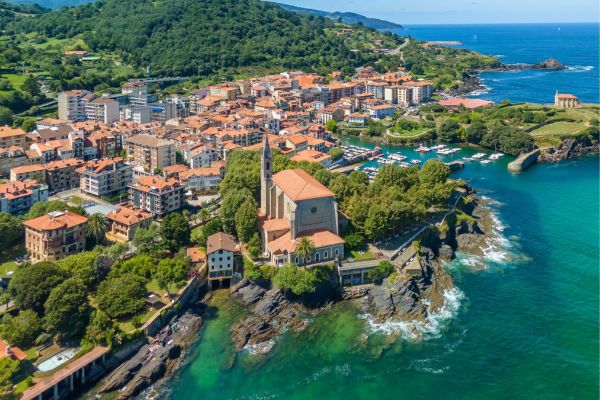
    Enjoy world-class views from Santa Katalina chapel. Famous for the surfing “left-hand wave,” yet the village stays quiet and traditional.
  • The Hidden Gem: Mutriku
    Less touristy and deeply local. Highlights include a natural swimming pool in the harbor that fills with the tide.

They are perfectly linked by the N-634 coastal road.

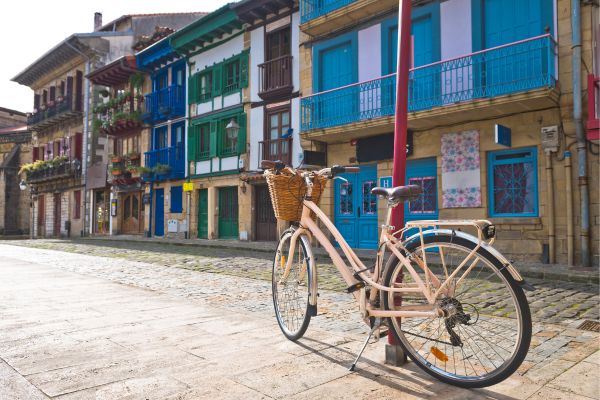
Hondarribia, Basque Country: a charming medieval fishing.

Cantabria

  • Santillana del Mar: The “Town of the Three Lies”
    Spain’s most beautiful medieval village. Must-see: Colegiata de Santa Juliana. Explore the Altamira “Neocave” museum.
  • Comillas: The “Gaudí” Outpost
    Home to El Capricho, a whimsical Gaudí villa, plus Modernist palaces and the Pontifical University.
  • San Vicente de la Barquera: The “Picture Postcard”
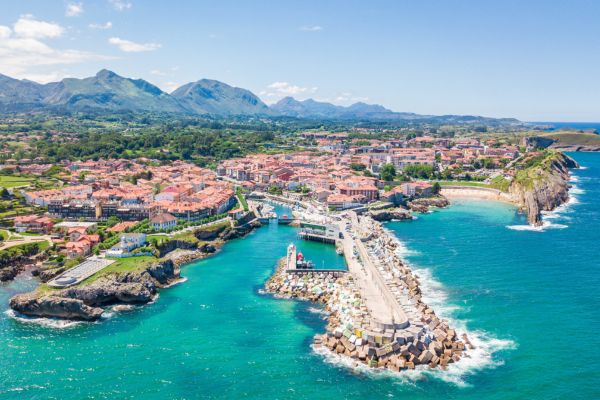
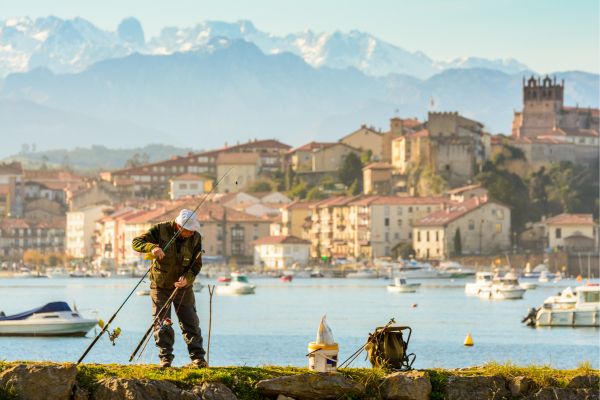
    A photogenic fishing village framed by estuaries and the snow-capped Picos de Europa. Don’t miss Maza Bridge and try Sorropotún, a traditional tuna and potato stew.
San vicente de la Barquera, Cantabria.

Asturias

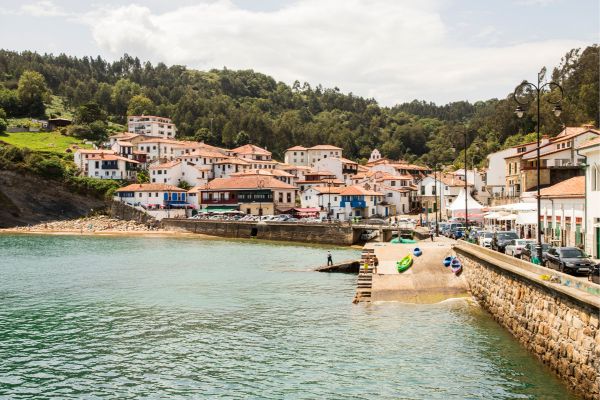
  • Cudillero: The “Amphitheater”
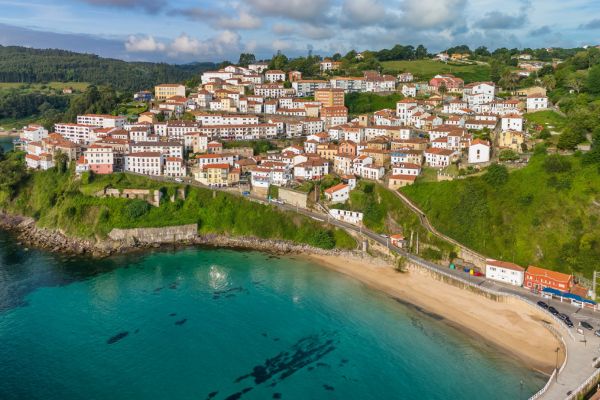
    Spain’s most colorful village,  colorful houses in a natural amphitheater over a turquoise harbor.
  • Lastres: The “Cinema Village”
    A dramatic cliffside village with narrow streets and panoramic San Roque viewpoint. Don’t miss fresh monkfish or hake at harbor restaurants.
  • Luarca: The “White Village”
    Hidden in a cove, and traditional harbor.
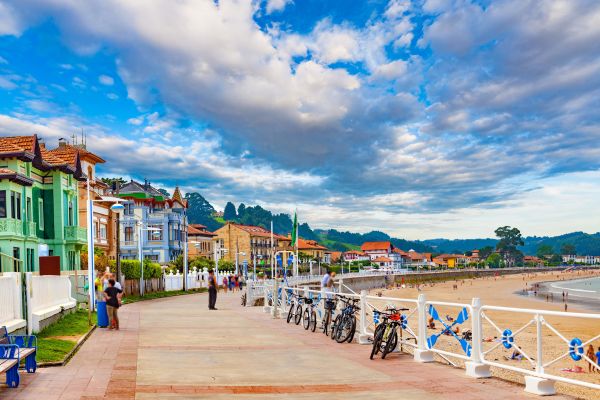
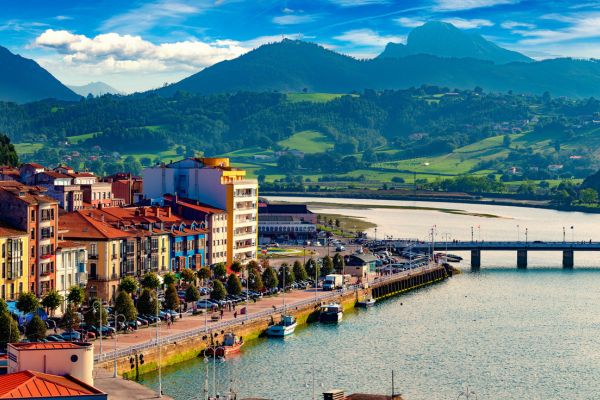
  • Ribadesella: The “Prehistoric Gateway”
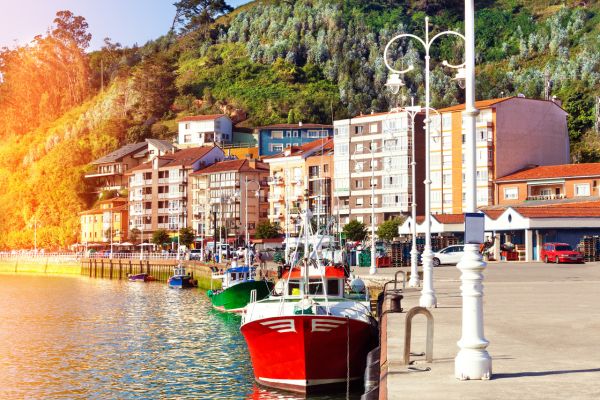
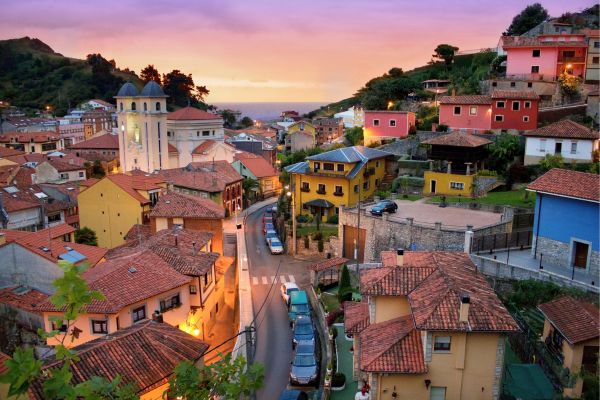
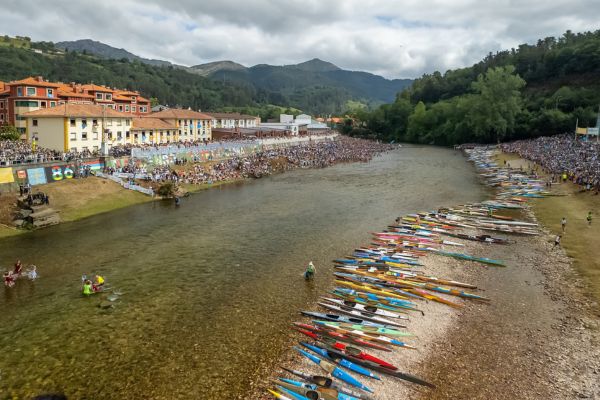
    Divided by the Sella River, home to UNESCO-listed Tito Bustillo Cave (book early!) and elegant “Indiano” mansions. Finish line for the International Sella Descent.

Best connected via the A-8 Autovía del Cantábrico.

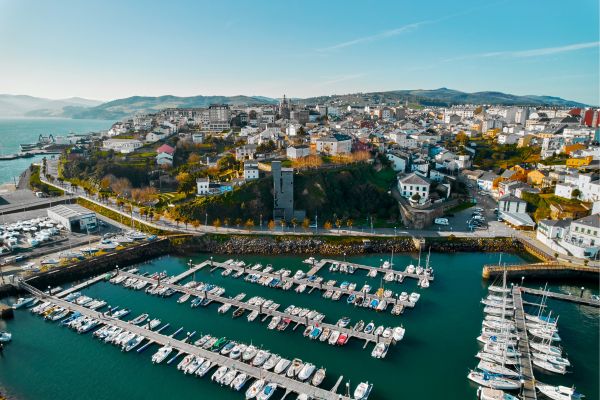
Ribadesella: a fishing village of Asturias.

Galicia

  • Combarro: The “Granary Village”
    Authentic village with hórreos (traditional stone granaries) and stone crosses, built along the water’s edge. A must-see is the Rúa do Mar, with tiny restaurants and shops selling Licor Café.
  • Baiona: The “Discovery Port”
    Historic port where La Pinta brought news in 1493 of the New World. Elegant, historic, and fortified.
  • Muros: The “Granite Labyrinth”
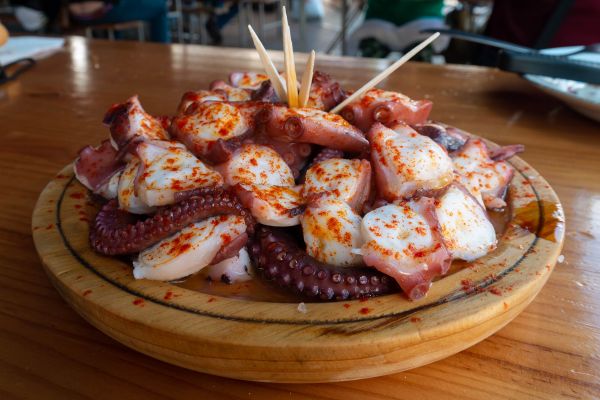
    Well-preserved medieval fishing port that feels untouched by modern tourism. The village is built entirely of granit. Here, try Pulpo á Feira (octopus) in a local “taberna”.
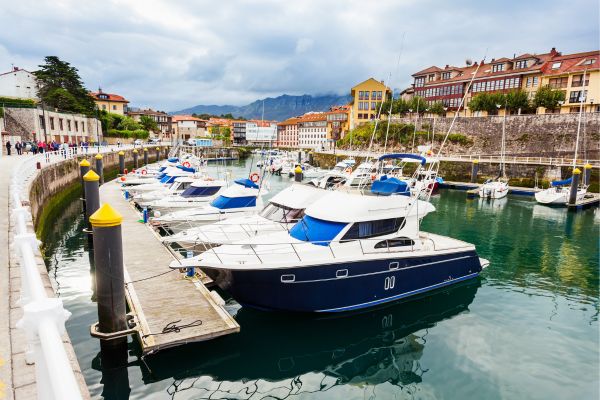
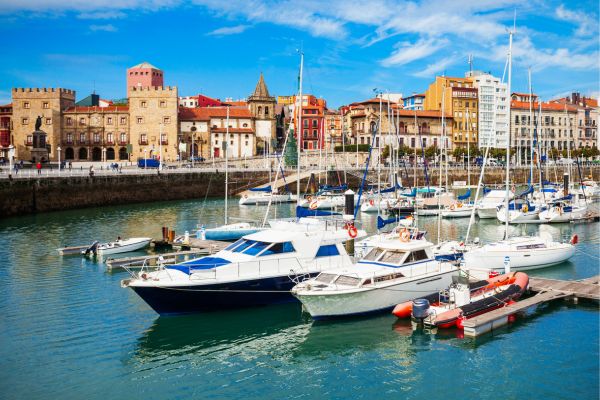
Ribadeo, province of Lugo in Galicia: aerial view of Faro de Ribadeo lighthouse.

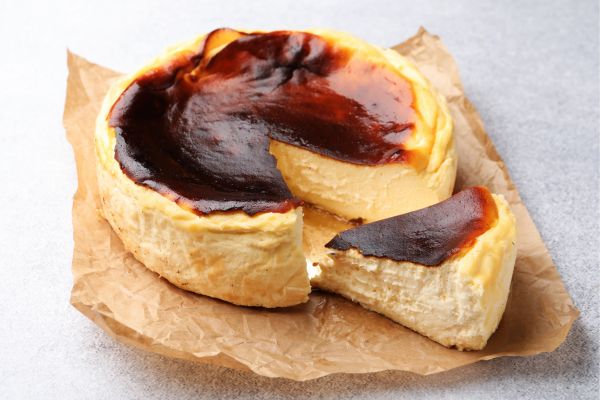
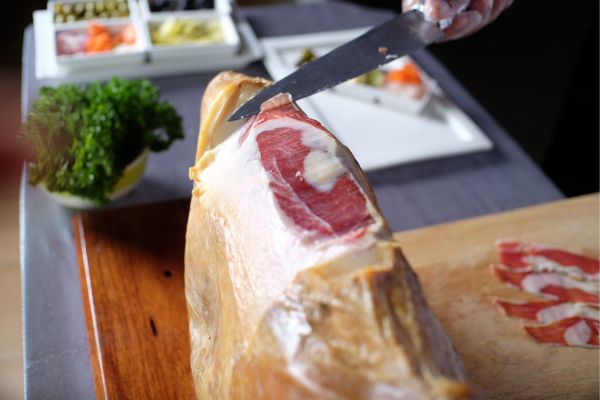
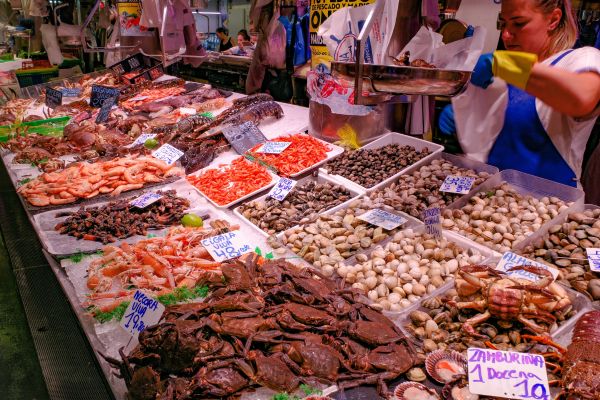
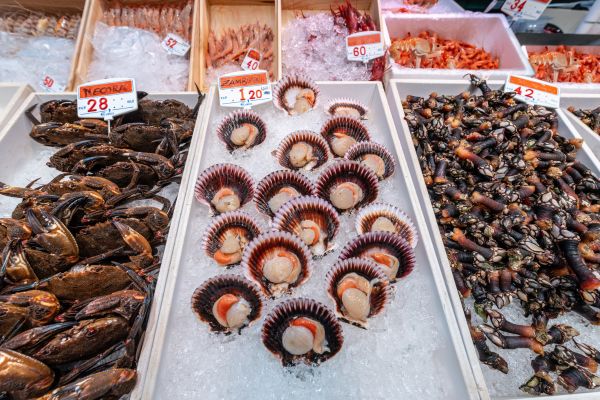
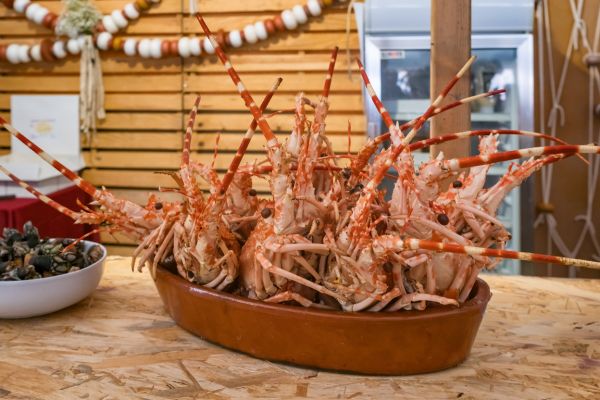
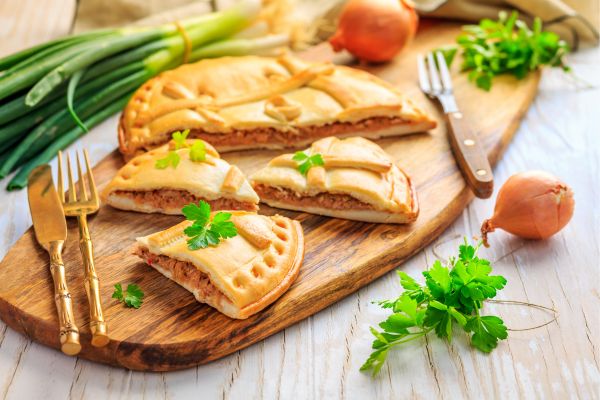
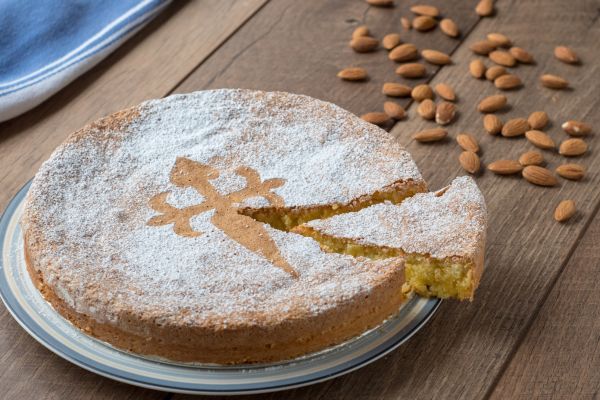
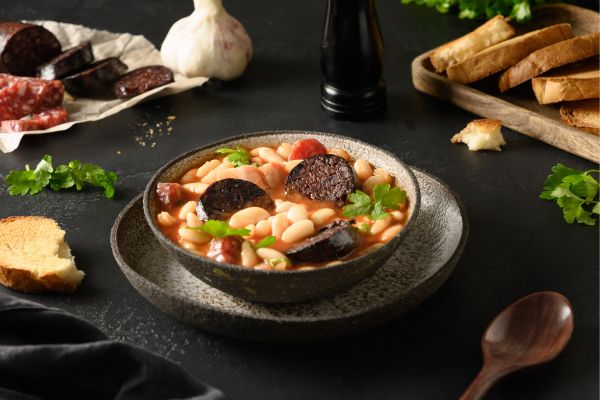
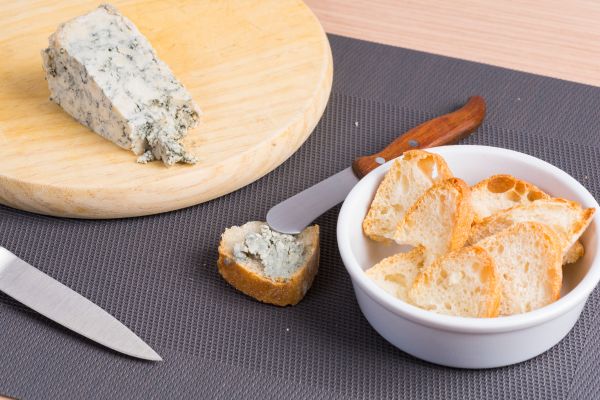
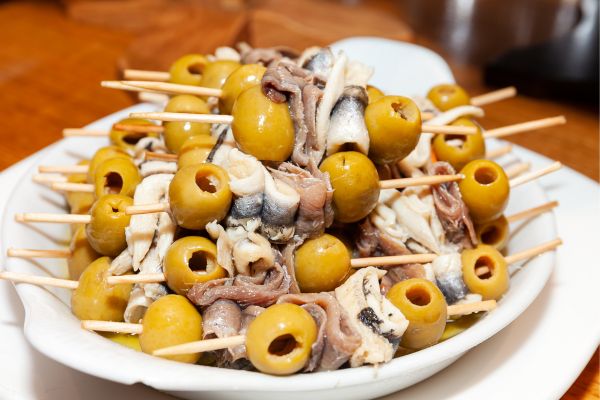
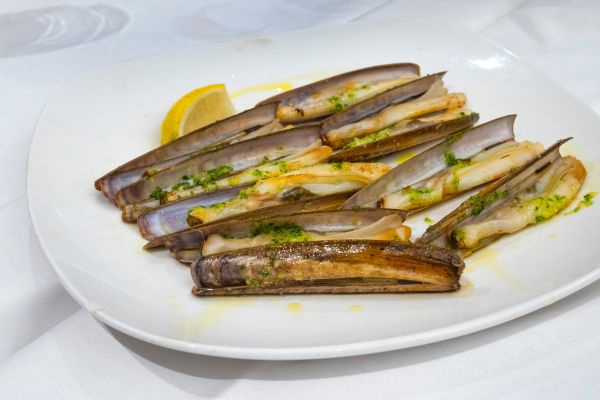
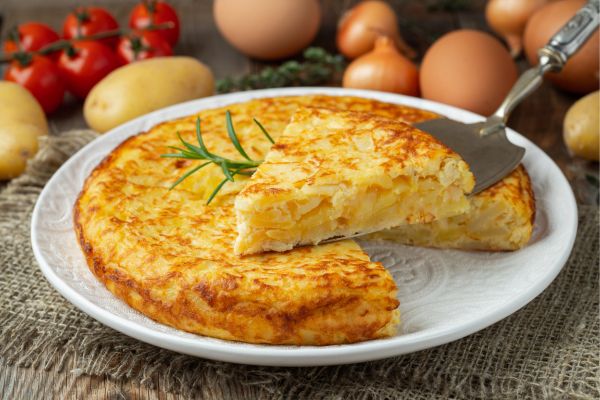
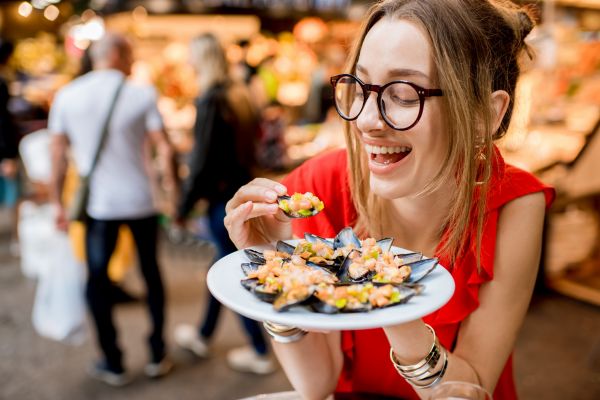
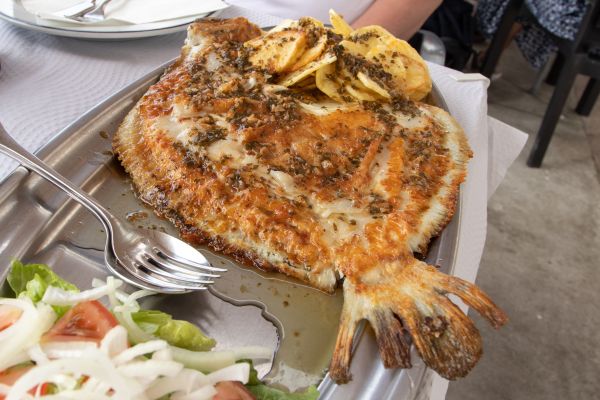
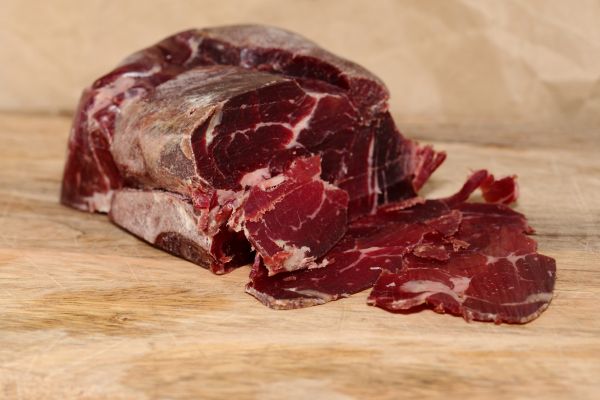
Flavors of Northern Spain: Highlighting the Region’s Traditional Delicacies.

Legendary Events & Festivals

  • La Vijanera, Silió (January): Europe’s first carnival, symbolizing good vs. evil.
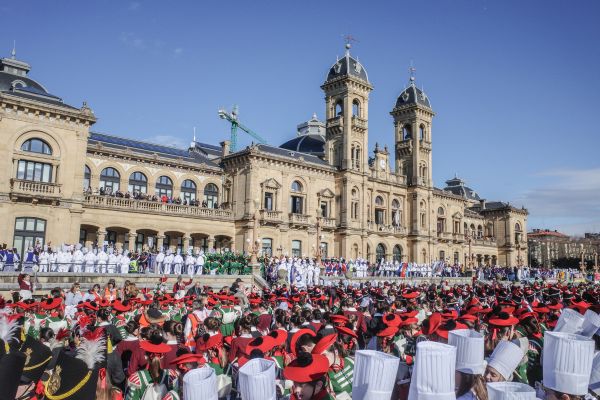
  • La Tamborrada, San Sebastián (Jan 20): 24 hours of nonstop drumming.
  • San Sebastian Carnival (Feb 12-17): Parades of light and color that dress the city in fantasy.
  • Arde Lucus, Lugo (mid-June): Roman-era reenactment inside UNESCO walls.
  • Batalla del Vino, Haro (June 29): Legendary wine fight in the vineyards.
  • Lobster & Seafood Festivals, A Guarda (early July): Lobster, Rosal wines, and traditional yolk cake.
  • San Fermín, Pamplona (July 6–14): Iconic festival with the Running of the Bulls and the Chupinazo opening.
  • Semana Grande, Santander (late July): Music, street food, and fireworks for Saint James. 
  • Jazzaldia, San Sebastián (late July): International jazz with beach and plaza stages.
  • Sella River Descent, Ribadesella (early August): World-famous canoe race and folk party.
  • Fiesta de la Sidra Natural, Gijón (late August): Mass cider-pouring celebration.
  • Aste Nagusia, Bilbao (late August): Nine days of free concerts, Basque traditions, and the burning of Marijaia.
  • San Sebastián Gastronomika (Oct): A world-leading culinary summit.
  • Seafood Festival, O Grove (Oct 1–12): Galicia’s “Seafood Paradise” serves lobster, spider crab, razor clams, oysters, seafood rice.  Cooking demos, contests, live music, folk dances, and over 200,000 visitors.
  • Santo Tomás Festival, San Sebastián (Dec 21): A one-day tradition that turns the city into a Basque rural market, celebrating the start of the Christmas season with talo con txistorra, cider, folk music, and locals in traditional dress.
cape town

Please note: Dates might be subject to change. Festival dates can change from year to year or be adjusted closer to the event period, so always check the official websites before planning your visit.

Our Hand-Picked Stays

WordPress › Error

There has been a critical error on this website.

Learn more about troubleshooting WordPress.