Greenland is not a destination you visit casually.
It is a place you choose when you are ready for scale, silence, and a deeper connection with nature and people.
Covering almost the size of Western Europe, Greenland is home to just over 56,000 people, most living in small coastal settlements. Nearly 80% of the island is covered by the Greenland Ice Sheet – one of only two true ice sheets on Earth. The interior is untouched, while life unfolds at the edges, between sea, rock, and ice.
Greenland in Frames – Ice, Light, and Life
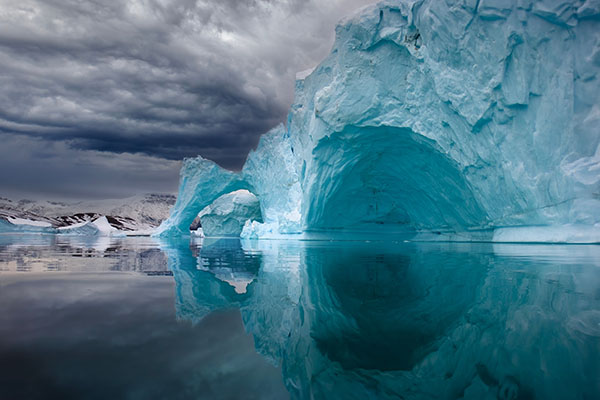
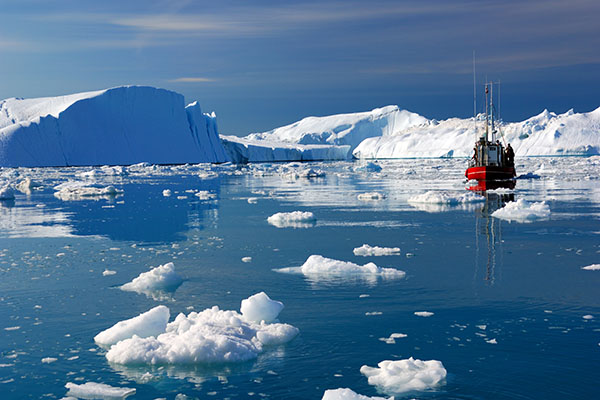
The Icebergs reflections in East Greenland
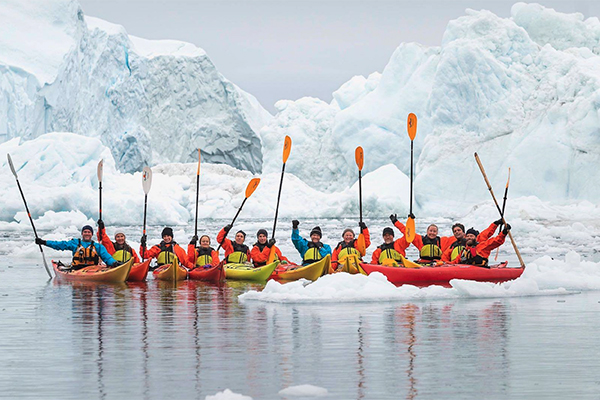
Ilulissat kayak Adventure
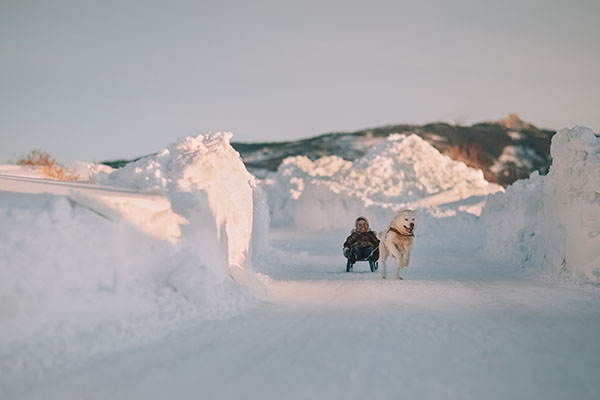
Greenland husky rides a boy on a sled in winter
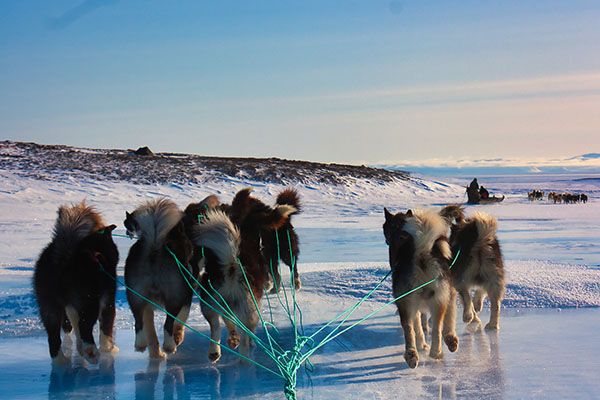
Sled dogs on the snow in Greenland, Ittoqqortoormiit
Icebergs in Disko Bay Greenland
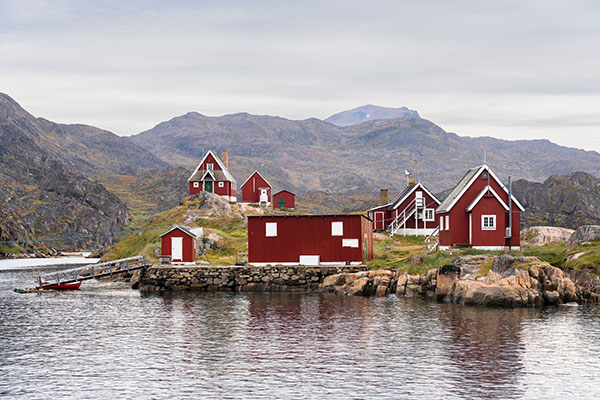
Traditional wooden houses of Greenland
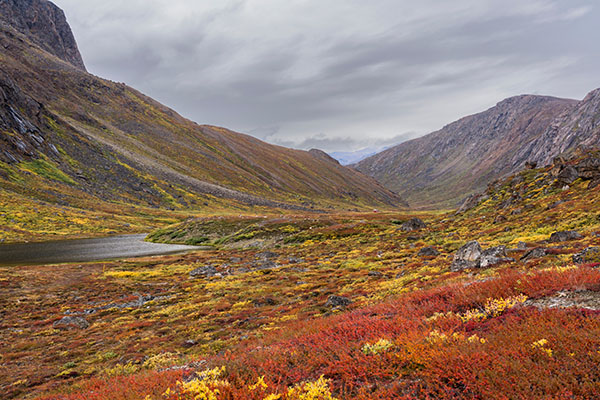
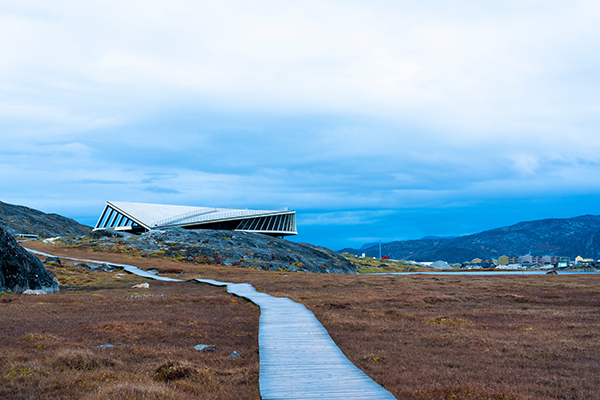
Trail which links Kangerlussuaq and Sisimiut
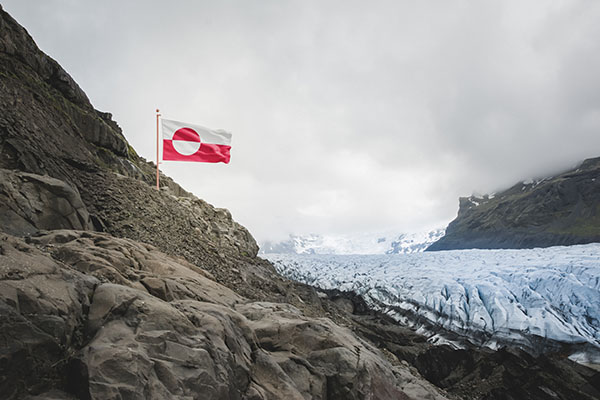
Greenland national flag above a rocky Arctic glacier
The Ilulissat Icefjord, UNESCO World Heritage Site
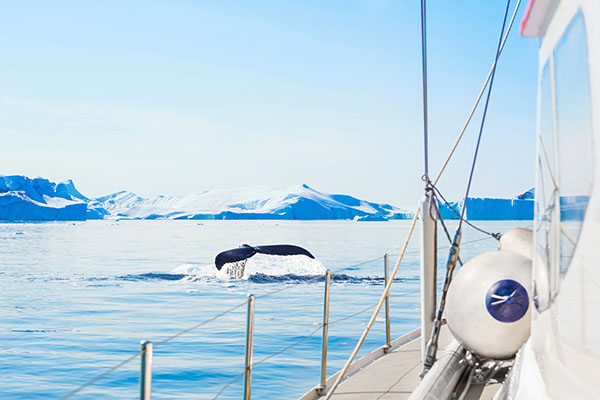
Wildlife of Greenland. Whale watching from a yacht in Ilulissat icefjord
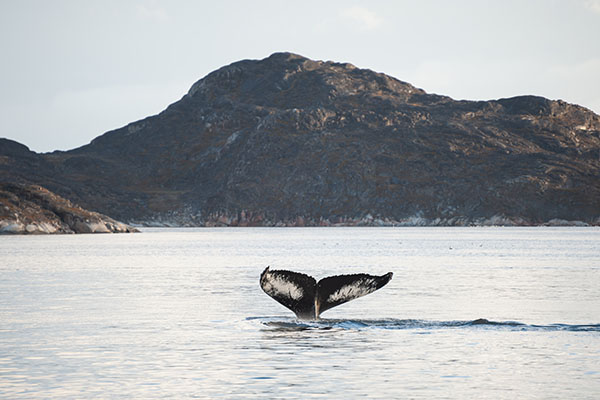
Wildlife of Greenland. Humpback whale dives and shows the tail in Atlantic ocean, western Greenland.
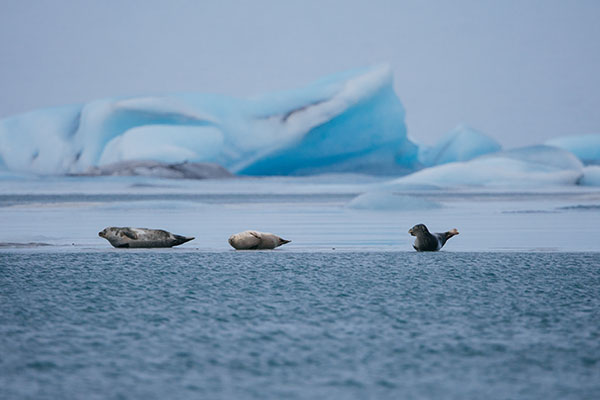
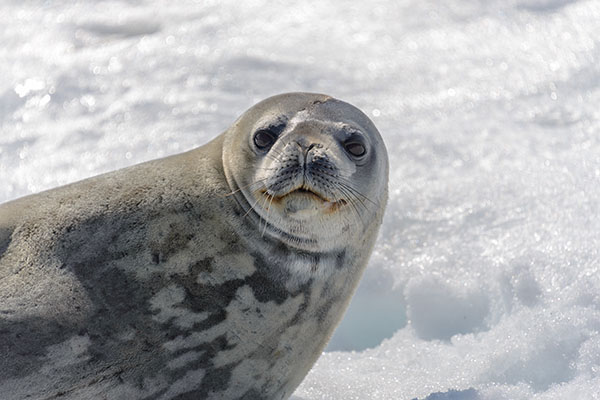
Wildlife of Greenland. Seals resting on ice floes, surrounded by the pristine Arctic landscape
Wildlife of Greenland.
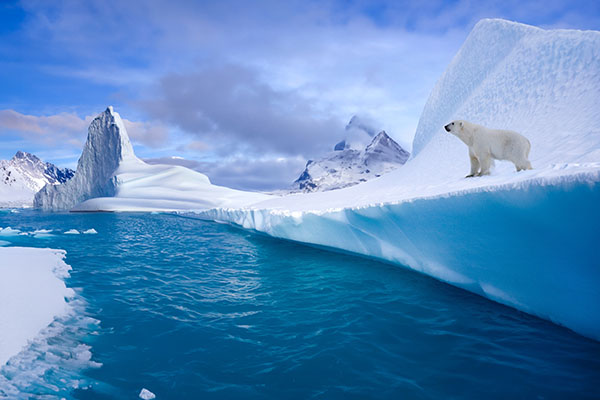
Wildlife of Greenland. Polar Bear (Ursus maritimus) on coastal ice, eastern Greenland
A land without roads – and that is the point
One of the most unusual facts about Greenland is this: there are no roads connecting towns. You travel by boat, plane, helicopter, snowmobile, or dog sled. Movement itself becomes part of the experience, reinforcing the feeling that this is a land governed by nature, not infrastructure.
In summer, the midnight sun stretches days into one long, glowing moment. In winter, darkness is broken by the quiet spectacle of the Northern Lights, reflecting off ice and snow in complete silence.
Towns with character, not crowds
Settlements like Ilulissat, set beside a UNESCO-listed ice fjord, and Nuuk, the world’s smallest capital, offer a rare mix of modern Arctic life and deep-rooted tradition.
Brightly coloured houses line rocky shores – originally painted to mark function, now a defining visual identity. These towns are not attractions; they are living communities shaped by climate, resilience, and cooperation.
Culture rooted in survival and respect
Greenlandic culture is inseparable from nature. Inuit traditions of hunting, fishing, and kayaking are not staged experiences – they are ways of life passed down through generations. Even the concept of land differs here: it is not owned, but shared and respected.
Language reflects this depth. Most Greenlanders speak Kalaallisut, Danish, and English, and everyday words like kayak originate from Greenlandic culture itself.
Experiences that feel elemental
Greenland is not about ticking boxes, but about presence:
– kayaking among towering icebergs
– hiking Arctic tundra with uninterrupted horizons
– whalewatching – with up to 16 species passing through Greenlandic waters
– dog sledding, still used as practical transport in winter
These moments do not overwhelm – they recalibrate.
How to get to Greenland
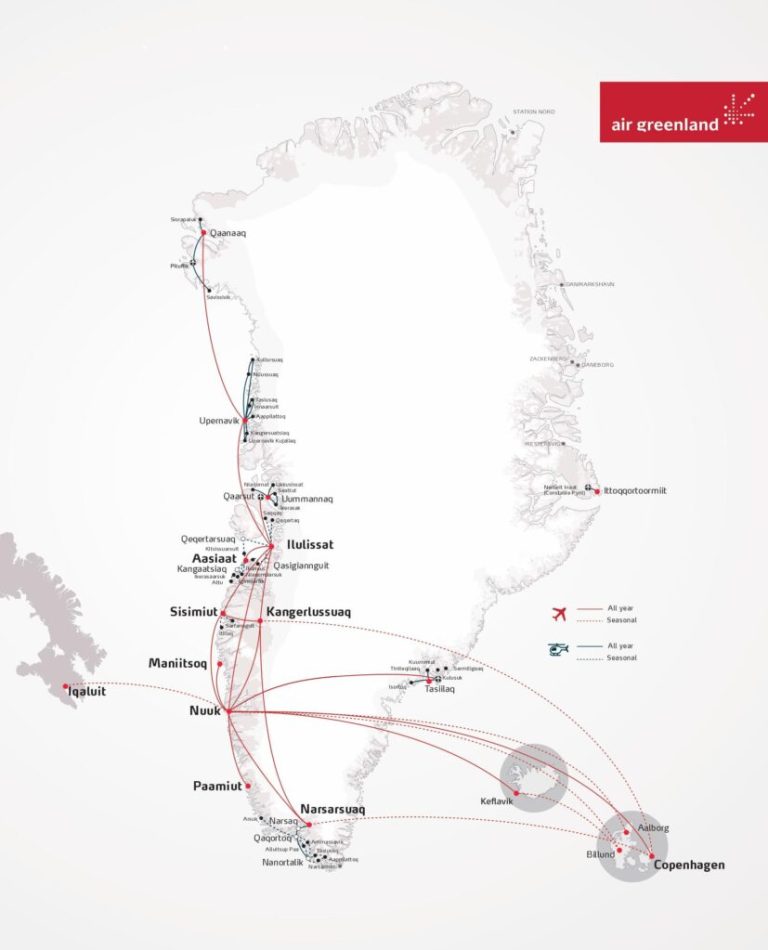
Despite its remoteness, Greenland is surprisingly accessible with the right planning. Most international travellers reach Greenland via Copenhagen, with direct flights to Kangerlussuaq or Nuuk. From there, domestic flights and boats connect the coastal towns. Travel times are dictated by weather and season – flexibility is essential and part of the journey’s character.
Winter (November–March): Northern Lights, dog sledding, deep stillness
Shoulder seasons: fewer visitors, more intimate encounters
There is no “best” time – only different ways to meet the same place.
Why Greenland?
Because some journeys are not meant to impress, but to ground you. Greenland does not offer convenience or spectacle on demand – it offers clarity, perspective, and space to think.
Greenland rewards careful planning, local insight, and the right pace.
Let Balkanea Concierge design a journey around your rhythm – from the best season to visit, to routes, stays, and experiences that respect both the land and your expectations. Some destinations are too special for templates. Greenland is one of them
Остави барање и ќе ти подготвиме персонализирана понуда ✈️
Побарај понуда за лет и хотел
Пополнете го формуларот и нашиот тим ќе ви подготви персонализирана понуда за Минхен 🍺🏨
Ви благодариме!
Вашето барање е успешно испратено. Нашиот тим ќе ги провери најдобрите достапни опции за лет и хотел во Минхен и ќе ве контактира со персонализирана понуда во најкраток можен рок.
Curious to Join the Balkanea travel community?
Пополни форма
Остави барање и ќе ти подготвиме персонализирана понуда ✈️