Crete is not just another Greek island. It is the largest island in Greece – vast, dramatic, culturally distinct – with landscapes that shift from pink-sand lagoons to rugged mountain plateaus within a single drive.
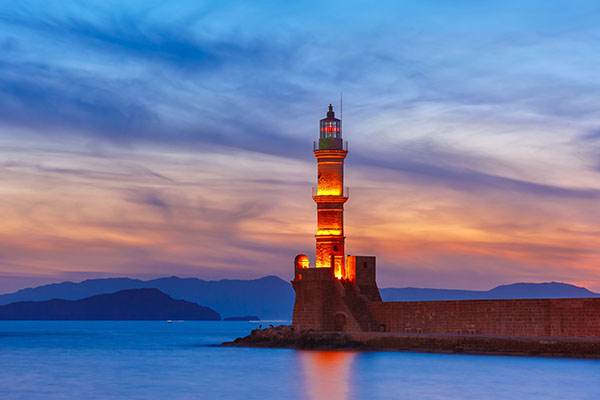
Here, Bronze Age palaces stand beneath open skies, Venetian harbours glow at sunset, and family-run tavernas still serve recipes passed down for generations.
If Greece had a heartbeat of its own, it would sound like Crete.
Where Is Crete – and Why It Feels Different
Crete lies in the southern part of the Aegean Sea, stretching over 260 kilometres from west to east. It is large enough to feel like a small country rather than an island.
What makes Crete different?
It has its own culinary identity – distinct even from mainland Greece.
It holds Europe’s oldest advanced civilisation – the Minoans.
It offers extreme natural diversity – gorges, palm forests, mountain plateaus, and lagoon beaches.
It requires time. This is not a “3-day island”.
Crete rewards travellers who explore beyond the obvious.
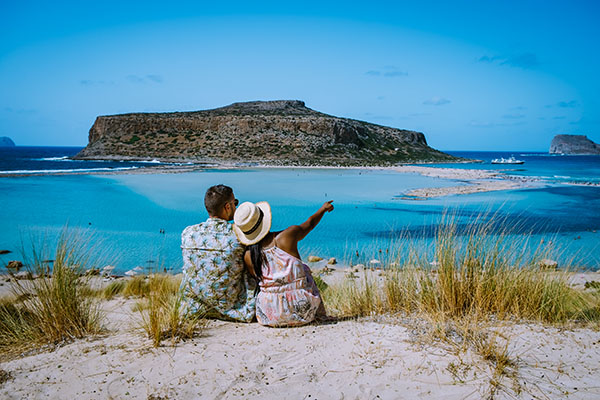
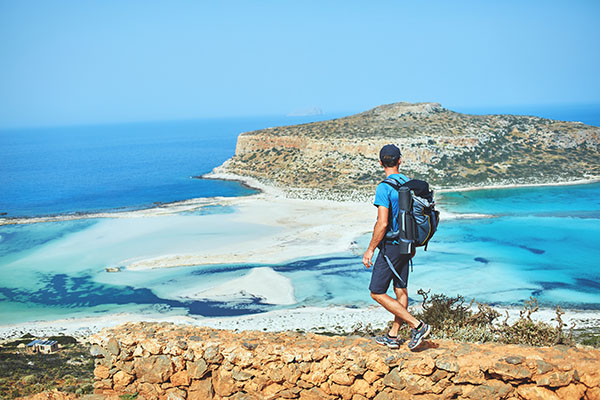
Balos lagoon on Crete island
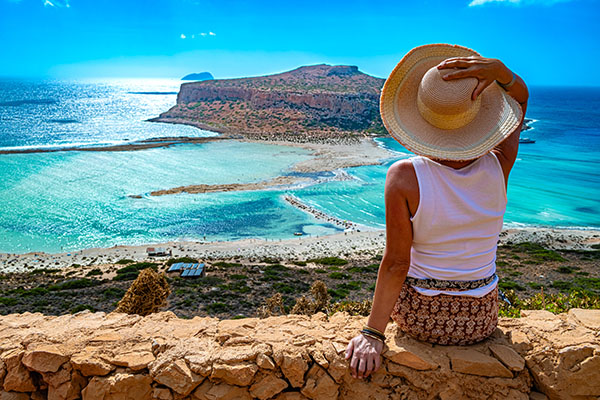
A tourist looking at Balos Lagoon
Venetian harbour and lighthouse at sunset in Chania
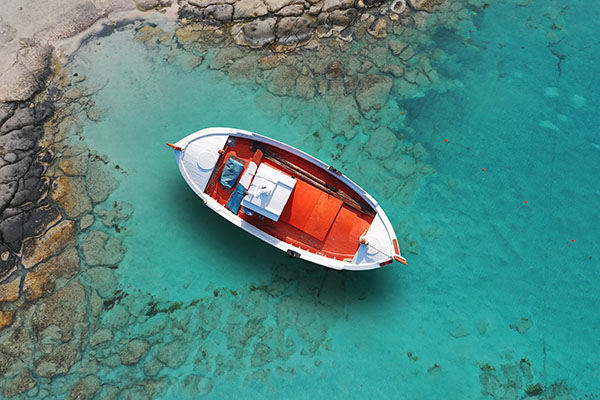
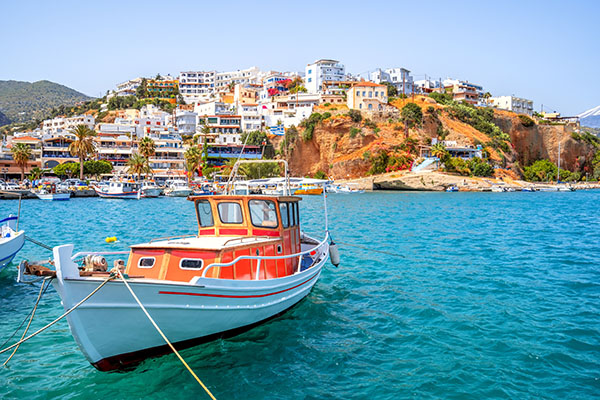
Traditional fishing boat docked in paradise bay of Elafonisi
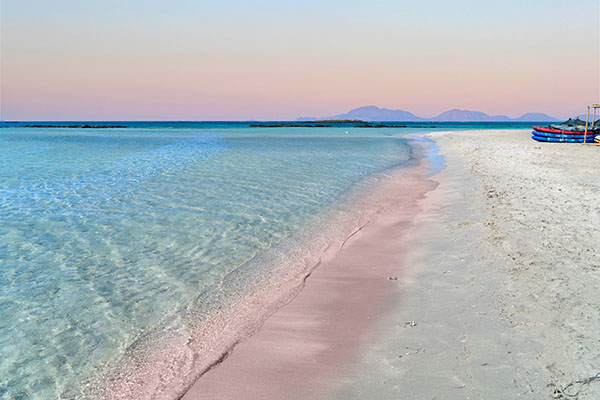
Blue and pink colors of Elafonisi beach
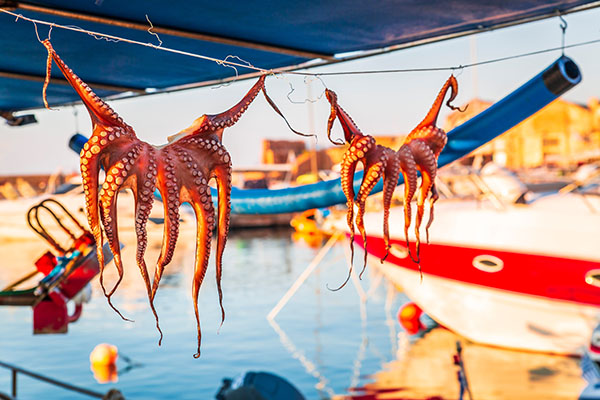
Octopuses hung up to dry on washing lines, Chania
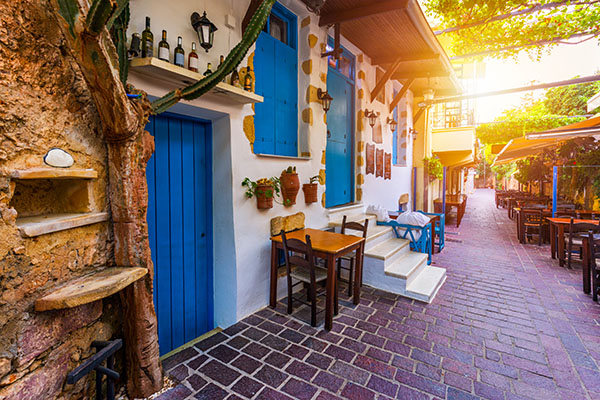
Street in the old town of Chania
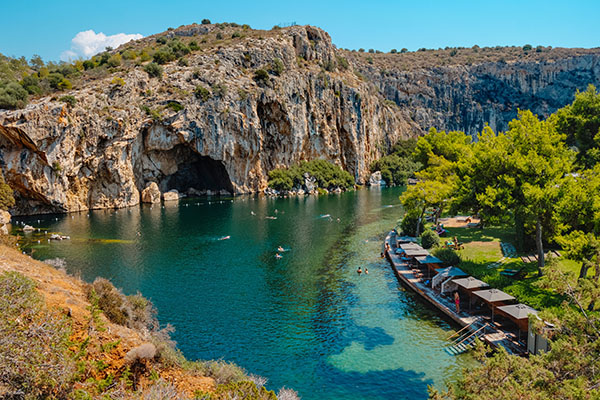
A view over the Lake Vouliagmeni
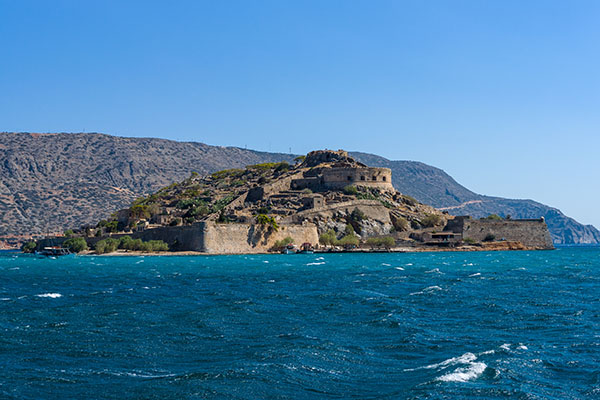
The island of Spinalonga and the ancient fortress of the same name. Crete
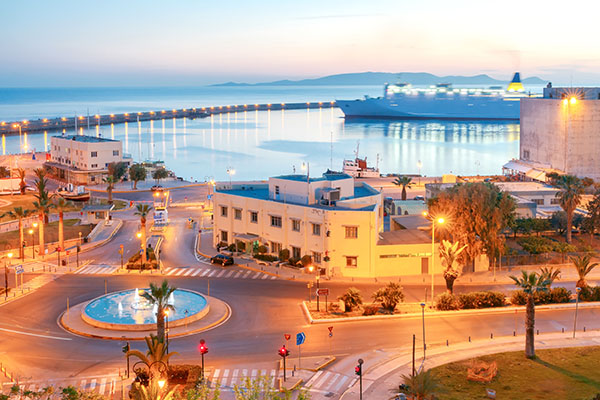
Heraklion. Sea port at sunrise
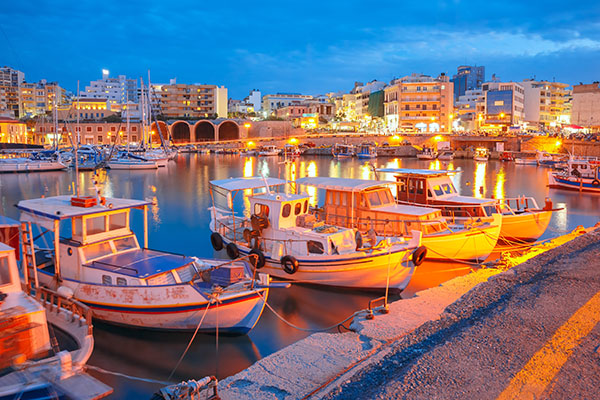
Old harbour of Heraklion with fishing boats and marina
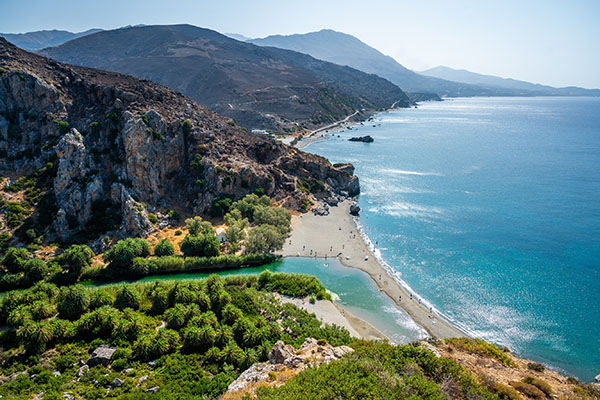
Famous Preveli beach in the summer, Crete
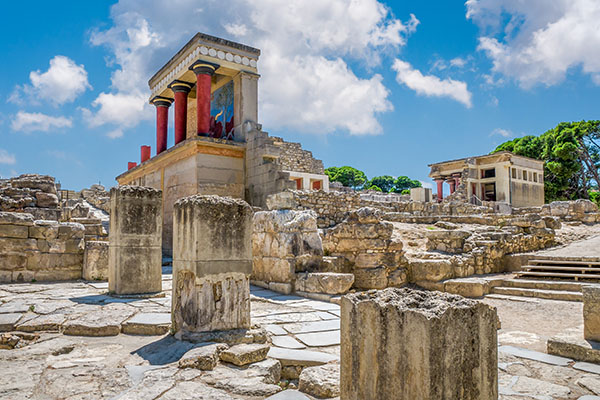
Knossos palace ruins at Crete island. Famous Minoan palace of Knossos
Agia Galini, Island Crete
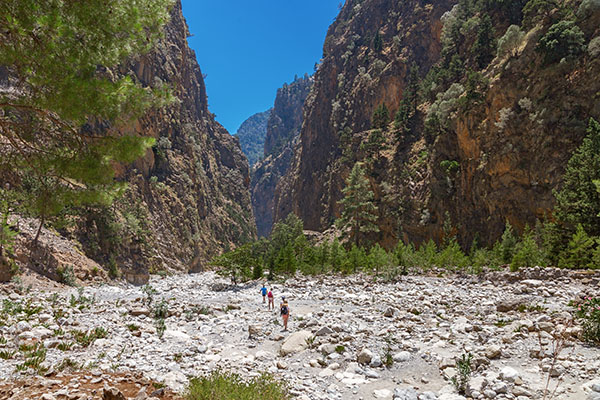
Samaria Gorge in the white mountains on the island of Crete
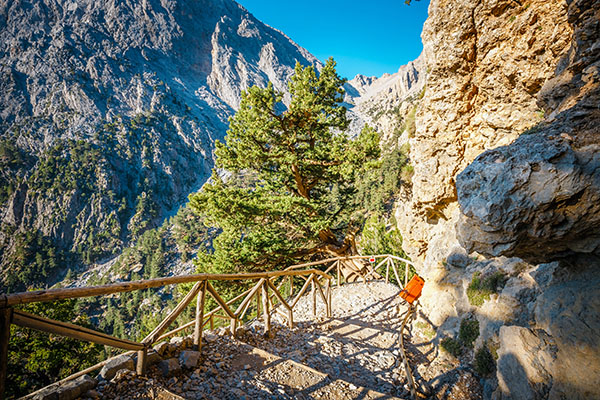
Samaria Gorge Hiking Trail and White Mountains in Crete
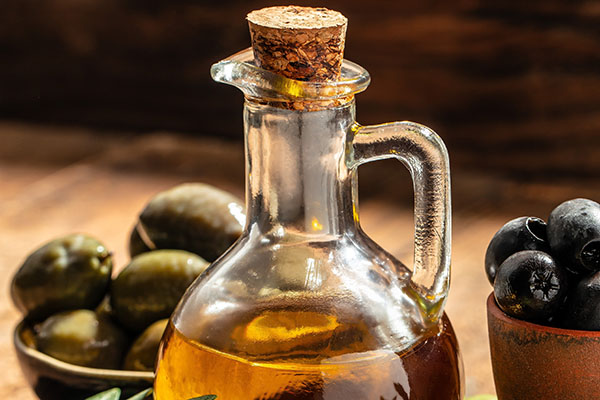
Local olive oil
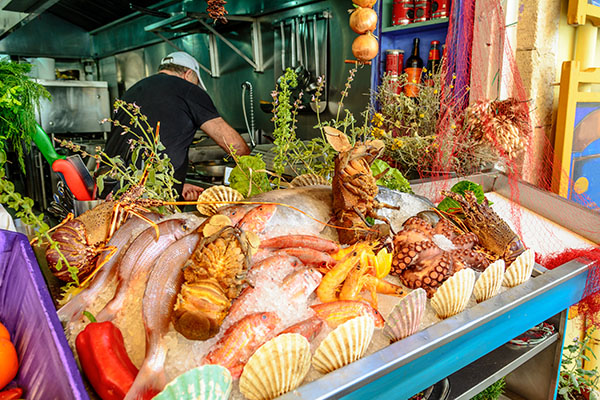
Fresh seafood served at Greek restaurant in Rethymno city on Crete island
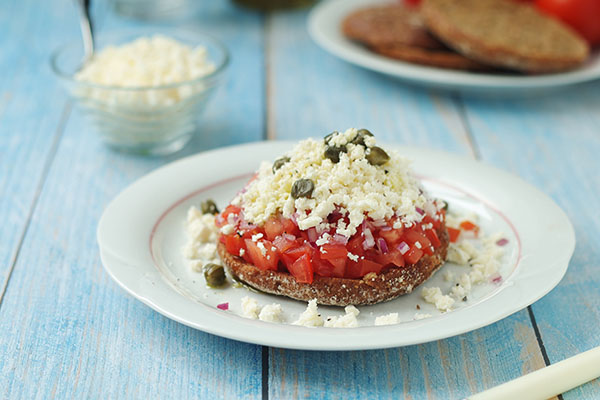
A traditional Cretan dish Dakos
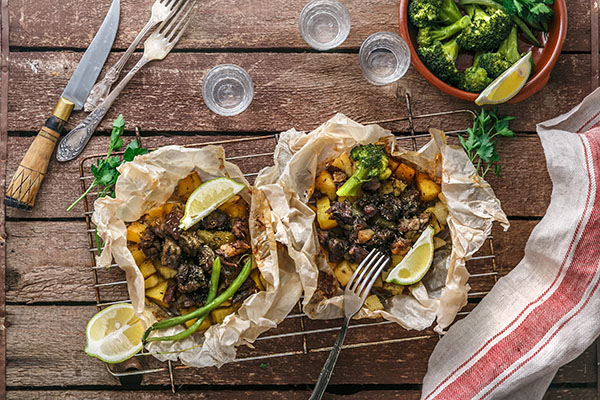
Traditional Greek kleftiko, an oven-baked lamb
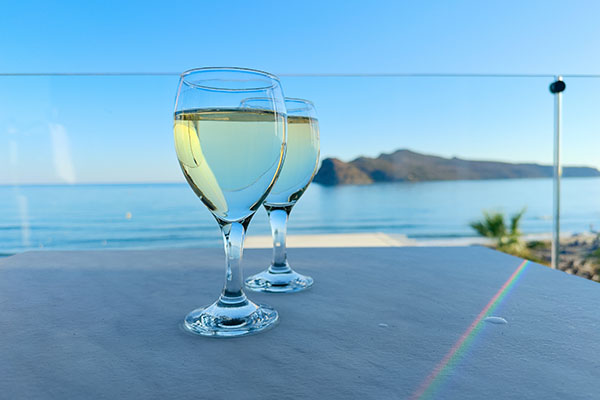
Two glasses of cretan wine on Agia Marina beach, Crete Greece
The Four Faces of Crete – Choosing Where to Stay
Chania & West Crete – The Photogenic Side
If you have seen dreamy photos of Crete, they were likely taken here.
Chania combines Venetian architecture, Ottoman influences, and Cretan soul. Its old town is one of the most beautiful in Greece – cobbled alleys, pastel façades, small wine bars, and sea-facing terraces.
West Crete also hosts:
Balos Lagoon – shallow turquoise waters that feel Caribbean. Elafonissi Beach – famous for its pale pink sand. Samaria Gorge – one of Europe’s longest and most impressive gorges.
Best for: couples, first-time visitors, photographers, honeymoon travellers.
Heraklion & Central Crete – The Historical Core
Heraklion is Crete’s capital and gateway to the island’s most important archaeological treasure – the Palace of Knossos, centre of the ancient Minoan civilisation.
A visit to the Heraklion Archaeological Museum adds depth to the story – frescoes, artefacts, and insights into Europe’s earliest complex society.
Central Crete also offers: Authentic wine regions, Rural inland villages, Access to the Lasithi Plateau.
Best for: history lovers, cultural travellers, short stays combined with exploration.
Rethymno – The Elegant Middle
Rethymno feels balanced – lively but not overwhelming. Its Old Town is smaller than Chania’s yet equally charming, crowned by the imposing Fortezza fortress. The long sandy beach nearby makes it practical for relaxed stays.
Nearby highlights include:
Arkadi Monastery – a symbol of Cretan resistance
Traditional mountain villages in the Amari Valley.
Best for: travellers who want atmosphere without large crowds.
East Crete – Refined and Less Explored
The eastern part of Crete feels quieter and more refined.
Elounda is known for luxury resorts and calm waters.
Agios Nikolaos surrounds Lake Voulismeni and offers a relaxed coastal rhythm.
Further east, Vai Beach surprises visitors with its natural palm forest.
Nearby is Spinalonga Island – a former leper colony with powerful history.
Best for: upscale stays, slower travel, repeat visitors to Crete.
Crete’s Must-See Experiences
Walk Through Europe’s Oldest Civilisation Visit the Palace of Knossos and step into the myths of King Minos and the Minotaur. Crete’s Minoan heritage predates Classical Greece by centuries.
Hike a Gorge Samaria is the most famous, but Crete has dozens of smaller gorges offering quieter routes through dramatic landscapes.
Swim in Impossible Colours Balos, Elafonissi, Falassarna, Vai – each beach feels different in texture and tone.
Eat Like a Cretan Cretan cuisine is simple but powerful: Dakos – barley rusk with tomato and mizithra cheese Slow-cooked lamb with mountain herbs Fresh seafood by the harbour Local olive oil – among the best in the world Wine and raki are part of hospitality, not ceremony.
Best Time to Visit Crete
April – June: Wildflowers, ideal hiking weather, fewer crowds. July – August: Hot, lively, beach-focused, peak season. September – October: Warm sea, softer light, perfect balance. Winter: Authentic and local – but many coastal resorts close.
For Balkanea travellers, late May, June, and September offer the best overall experience.
Getting Around – Why a Car Matters
Crete is large. Public transport exists, but to truly experience lagoons, mountain roads, monasteries, and remote beaches, a rental car is highly recommended.
Driving distances may look short on the map – but mountain terrain makes them slower and more scenic.